What Happens to Your Junk After It's Picked Up?
MEET THE AUTHOR
JORDAN EDWARDS
At Pride N Service Junk Removal, we understand the importance of keeping your property clean and tidy. That's why we offer the most comprehensive residential and commercial junk removal services in and around Aurora, CO. We know how difficult it can be to keep up with the demands of daily life and still find the time or the ability to remove the junk that seems to accumulate on your property. But with our team of dependable hauling experts, you don't have to worry about that anymore. We will work efficiently to remove anything you need from your property at the right price. So if you're tired of looking at piles of junk and feeling overwhelmed, call Pride N Service Junk Removal today! We'll be happy to help you get your property back to its pristine state.
When you schedule junk removal, the process does not necessarily end once unwanted items are loaded onto a truck. What happens afterward depends on the type, condition, and quantity of materials collected. Some belongings may be reusable, recyclable, or suitable for donation, while others may need to be taken to appropriate disposal facilities.
Understanding what happens after pickup can help homeowners make informed decisions when choosing a removal company. It can also provide peace of mind when clearing a garage, basement, home, office, or rental property. Knowing how items are sorted, handled, and disposed of gives you a better understanding of the complete removal process.
1. Items Are Sorted After Pickup
After items are collected, they may be sorted according to their material, condition, and potential destination. A typical load can contain furniture, appliances, cardboard, electronics, household belongings, yard debris, and other unwanted materials. Separating these items helps determine how each should be handled.
Sorting matters because different materials may require different destinations. A usable piece of furniture could potentially be reused, while a damaged appliance may require recycling or specialized processing. Other materials may simply need appropriate disposal.
The exact process varies by company and facility. If responsible handling is important to you, ask the provider how collected materials are generally sorted and processed before scheduling service.
2. Usable Items May Be Donated
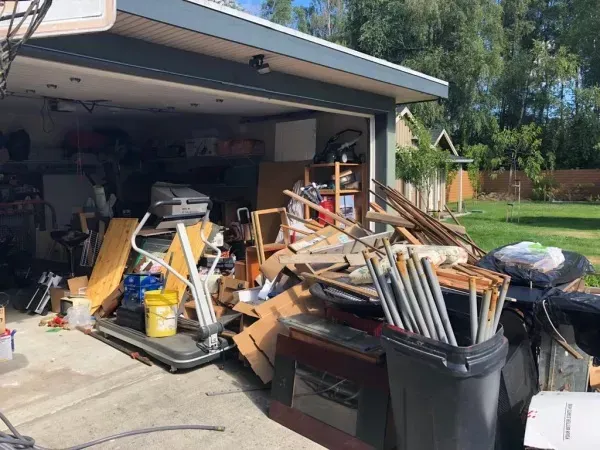
Some unwanted belongings still have useful life left in them. Furniture, household goods, tools, and other items may be suitable for reuse or donation when they are clean and in reasonable condition.
For example, a homeowner replacing an old table may no longer need it, but someone else could potentially use it. Reusing items can keep functional products in circulation instead of sending them directly to a landfill.
However, not everything can be donated. Damaged, heavily soiled, broken, or unsafe items may not meet the requirements of donation organizations. Customers should therefore avoid assuming that every collected item will be donated.
If donation is important to you, ask the company whether it works with local organizations or has a process for identifying items that may still be useful.
3. Recyclable Materials May Be Separated
Recycling can be another option for appropriate materials. Depending on local facilities and acceptance requirements, items such as certain metals, cardboard, paper, and other recyclable materials may be separated from general waste.
This can be especially helpful during large cleanouts where different materials are mixed together. An old metal frame, for instance, may have a different handling option from broken household items.
Not every material can be recycled everywhere. Facility requirements, contamination, and the composition of an item can determine whether it is accepted. Because of this, responsible junk removal companies should avoid promising that every item will be recycled.
If recycling is one of your priorities, ask the provider what types of materials it commonly separates and how those materials are handled.
4. Appliances and Electronics Need Attention
Large appliances and electronics can require additional consideration after collection. Refrigerators, washing machines, televisions, computers, and similar equipment contain different materials and components that may require specific handling.
Some appliances contain valuable metals, while electronics may include components that should be processed through appropriate recycling or disposal channels. Requirements vary depending on the item and the facilities available.
This is why it is helpful to mention appliances and electronics when requesting service. Providing accurate information gives the company a better understanding of the materials involved and allows it to determine whether special handling may be necessary.
If you are clearing out several appliances or electronic devices, ask how the provider handles these items after pickup. Knowing the process beforehand can help you avoid surprises.
5. Some Items Must Be Properly Disposed Of
Not every unwanted item can be reused or recycled. Broken, damaged, contaminated, or otherwise unsuitable materials may ultimately need to be processed as waste through an appropriate facility.
Certain materials also require specialized handling. Hazardous chemicals, fuels, explosives, medical waste, and other restricted substances may not be accepted through ordinary removal services.
If you are unsure about an item, identify it before the appointment. Do not assume that something can be placed with ordinary household belongings simply because it is unwanted.
Responsible junk removal involves recognizing that materials have different handling requirements. A professional provider should be able to explain its general acceptance policies and identify materials that require alternative arrangements.
6. Materials May Go to Different Facilities
After collection and sorting, materials may be transported to facilities suited to their particular category. Depending on the item, this could include recycling centers, donation organizations, transfer stations, salvage facilities, or other appropriate locations.
The destination can depend on the item's condition, material, size, and local requirements. Facility availability can also influence how materials are handled, so the process may differ from one project to another.
For homeowners in Littleton and nearby communities, working with a local provider can make communication and scheduling easier. A local company may also be familiar with area disposal and recycling options.
Before booking, ask where collected materials generally go and how reusable or recyclable items are identified. Clear answers can help you choose a provider whose practices match your expectations.
7. Responsible Handling Can Reduce Waste
How unwanted belongings are handled can affect how much material ultimately becomes landfill waste. Reusing an item, recovering recyclable materials, or directing suitable belongings toward donation can potentially keep some products and materials in circulation.
However, not everything can be diverted from disposal. Some items are too damaged, contaminated, obsolete, or otherwise unsuitable for reuse or recycling. The goal is to determine the most appropriate option for each material.
Customers can learn more by asking simple questions before scheduling. Find out whether reusable furniture is considered for donation, whether common recyclable materials are separated, and how general waste is handled.
This is particularly useful during major cleanouts. When a property contains a large amount of unwanted material, understanding the company's approach can help you choose a service that combines convenience with responsible handling.
8. Ask About the Process Before Booking
If you want to know what happens after your belongings are collected, the easiest solution is to ask before scheduling. Ask whether the company accepts your specific materials and how reusable, recyclable, and non-recyclable items are handled.
It is also helpful to provide accurate information about your project. Mention furniture, appliances, electronics, renovation debris, or unusual materials when requesting an estimate. This gives the provider an opportunity to explain its policies and identify anything that may require special arrangements.
Ultimately, junk removal involves more than loading unwanted items onto a truck. Sorting, transportation, reuse, recycling, and disposal can all be part of the process.
Understanding these steps allows you to make a more informed choice and know what to expect after the crew leaves your property.
Conclusion
What happens after pickup depends on the type and condition of the materials collected. Some belongings may be suitable for reuse or donation, while recyclable materials can potentially be separated for processing. Appliances and electronics may require additional consideration, and certain restricted materials need specialized disposal.
If you are planning a cleanup in Littleton, asking about a provider's handling practices can help you choose a service with confidence.
Pride N Service Junk Removal - Littleton serves
Littleton, Colorado and surrounding areas, helping homeowners and property owners clear unwanted belongings efficiently. To discuss your project or learn more about available services, contact
Pride N Service Junk Removal - Littleton at
+17203453847.